Is Infertility Associated with Inflammation?
Yes. Scientific research increasingly confirms that infertility is strongly associated with chronic inflammation. Persistent, low-grade inflammation can significantly impair fertility in both men and women and is now recognised as a major underlying factor in many cases of unexplained infertility.
Martin Healy explains in this video:
Martin Healy - Fitzwilliam Food Test Clinic
Why Has This Key Fertility Factor Been Overlooked?
When most people think of inflammation, they picture obvious symptoms — swelling, heat, redness, pain — such as with a sprained ankle. This is acute inflammation, and it is visible and easy to diagnose.
However, infertility is more commonly linked to chronic low-grade inflammation — a subtle, systemic inflammatory state that produces no obvious outward symptoms. Because it is “silent,” it has historically been overlooked.
Modern reproductive research now identifies chronic inflammation and immune dysfunction as critical contributors to infertility, implantation failure, and recurrent miscarriage.

What Is Low-Grade Inflammation?
Low-grade inflammation is a persistent, long-term activation of the immune system. Instead of switching off after fighting infection, the immune response remains constantly active.
This ongoing immune stimulation can:
Disrupt hormonal signalling
Damage reproductive tissues
Increase oxidative stress
Interfere with egg and sperm quality
Rather than supporting conception, this chronic immune imbalance can undermine the fertility process in ways similar to autoimmune conditions.
How Chronic Inflammation Affects Female Fertility
In women, chronic inflammation can disrupt the delicate reproductive environment in several ways:
1. Reduced Egg Quality
Ongoing inflammation increases oxidative stress, which can damage developing eggs. Poor egg quality is a major contributor to failed fertilisation and reduced IVF success rates.
2. Hormonal Imbalance
Inflammatory signals interfere with hormonal communication between the brain and ovaries. This can lead to:
Irregular menstrual cycles
Delayed ovulation
Anovulation (absence of ovulation)
3. Impaired Implantation
Elevated levels of pro-inflammatory cytokines can make the uterine lining less receptive. This increases the risk of:
Implantation failure
Early miscarriage
Recurrent pregnancy loss
4. Inflammatory Fertility Conditions
Many common causes of female infertility are fundamentally inflammatory, including:
Endometriosis
Polycystic Ovary Syndrome (PCOS)
Pelvic Inflammatory Disease (PID)
Notably, PCOS affects up to 50% of women experiencing infertility, and inflammation is a central feature of this condition.
How Inflammation Affects Male Fertility
Inflammation is also a significant contributor to male infertility and subfertility.
Chronic inflammation in the male reproductive tract can:
Reduce sperm count
Decrease sperm motility
Damage sperm DNA
Increase oxidative stress
Emerging evidence shows that immune system activation plays a critical role in declining sperm quality and male reproductive health.
Treating the Root Cause: Reducing Inflammation to Support Fertility
To protect natural fertility and improve reproductive outcomes, it is essential to address the underlying inflammatory drivers.
Approximately 70–80% of immune system activity is located in the gut. When certain foods are poorly digested or trigger food sensitivities, they can activate the immune system and drive chronic low-grade inflammation.
By identifying and removing these “aggravating” foods from the diet, it is possible to:
Calm immune overactivity
Reduce systemic inflammation
Improve hormonal balance
Support both egg and sperm quality
Testing for Inflammation and Immune Triggers
Food Sensitivity Testing
Our comprehensive food sensitivity test is designed to identify dietary triggers contributing to chronic inflammation. By personalising your nutrition plan, we aim to reduce immune activation and restore internal balance.
hs-CRP Blood Test
The specialist high-sensitivity C-reactive protein (hs-CRP) test measures levels of low-grade systemic inflammation. This allows you to:
Identify elevated inflammatory markers
Monitor progress over time
Track improvements following dietary and lifestyle changes
Inflammation and Fertility: A Root Cause Approach
Infertility is rarely just a reproductive issue - it is often a systemic inflammatory condition involving the immune system, gut health, and hormonal balance.
Addressing chronic inflammation provides a more comprehensive, root-cause approach to improving fertility outcomes for both men and women.
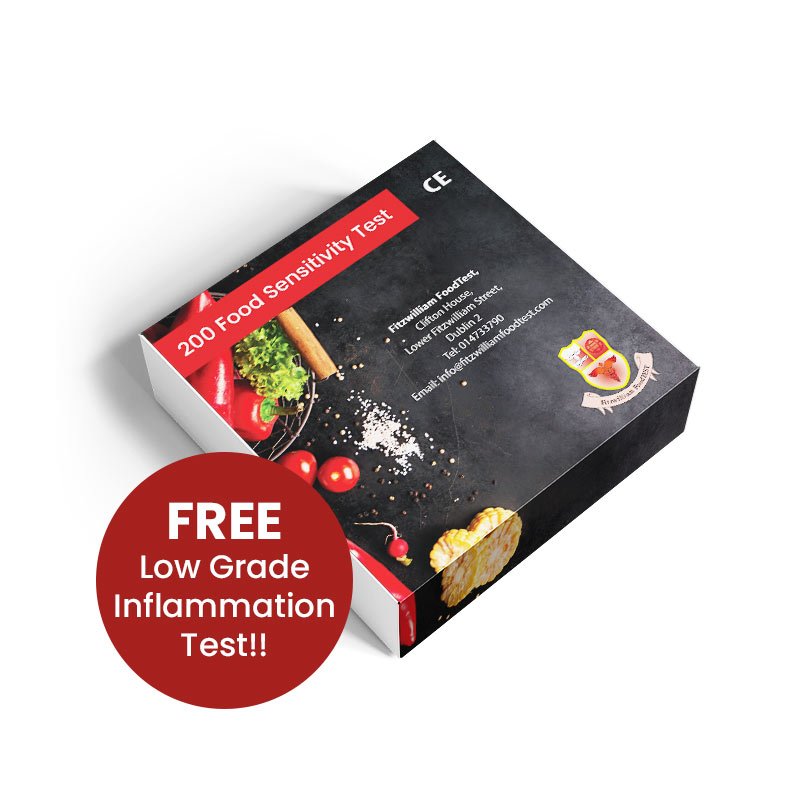
200 Food Sensitivity Test
Commonly referred to as Food Test 200. This test checks your IgG antibody levels to 200 of the most common foods typically associated with food intolerance. This information can be used to guide your food elimination diet.
*Please note: The “Low Grade Inflammation Test” comes FREE of charge with the 200 test.
Want to learn more?