
Immunity Reboot:
Understanding Your Immune System
A healthy immune system is essential for protecting your body against infections, autoimmune diseases, and even certain cancers. According to Professor Luke O'Neill from the School of Biochemistry and Immunology at Trinity College Dublin, specialised immune cells called Regulatory T Cells (Treg cells) play a vital role in keeping the immune system balanced.
These remarkable cells help regulate your immune response by:
Preventing the immune system from becoming overactive and attacking healthy tissues, reducing the risk of autoimmune diseases.
But not over-suppressing the immune system, ensuring it remains strong enough to recognise and destroy abnormal cells, including those that may develop into cancer.
Maintaining this delicate balance is one of the greatest challenges in modern immunology.
Searching for The Key to Restore Immune Balance
The scientists responsible for discovering Treg cells were awarded the 2025 Nobel Prize. While this breakthrough transformed our understanding of the immune system, it has not yet resulted in drug treatments capable of restoring immune balance in people with autoimmune diseases or cancer.
Professor Luke O'Neill explains that more than 200 human clinical trials are currently investigating Treg cells, with his own research team using advanced RNA technology similar to that developed for COVID-19 vaccines. A successful treatment capable of regulating the immune system could represent one of the most significant medical breakthroughs of our time.
Could Diet Be the Key to Restoring Immune Balance?
While researchers continue searching for pharmaceutical solutions, many people unknowingly support their immune health through better nutrition.
Growing scientific evidence suggests that our food choices either strengthen or weaken our body’s natural defences. They directly impact:
Regulatory T cell activity
Immune system regulation
Chronic inflammation.
First, How Do You Know If Your Immune System Is Out of Balance?
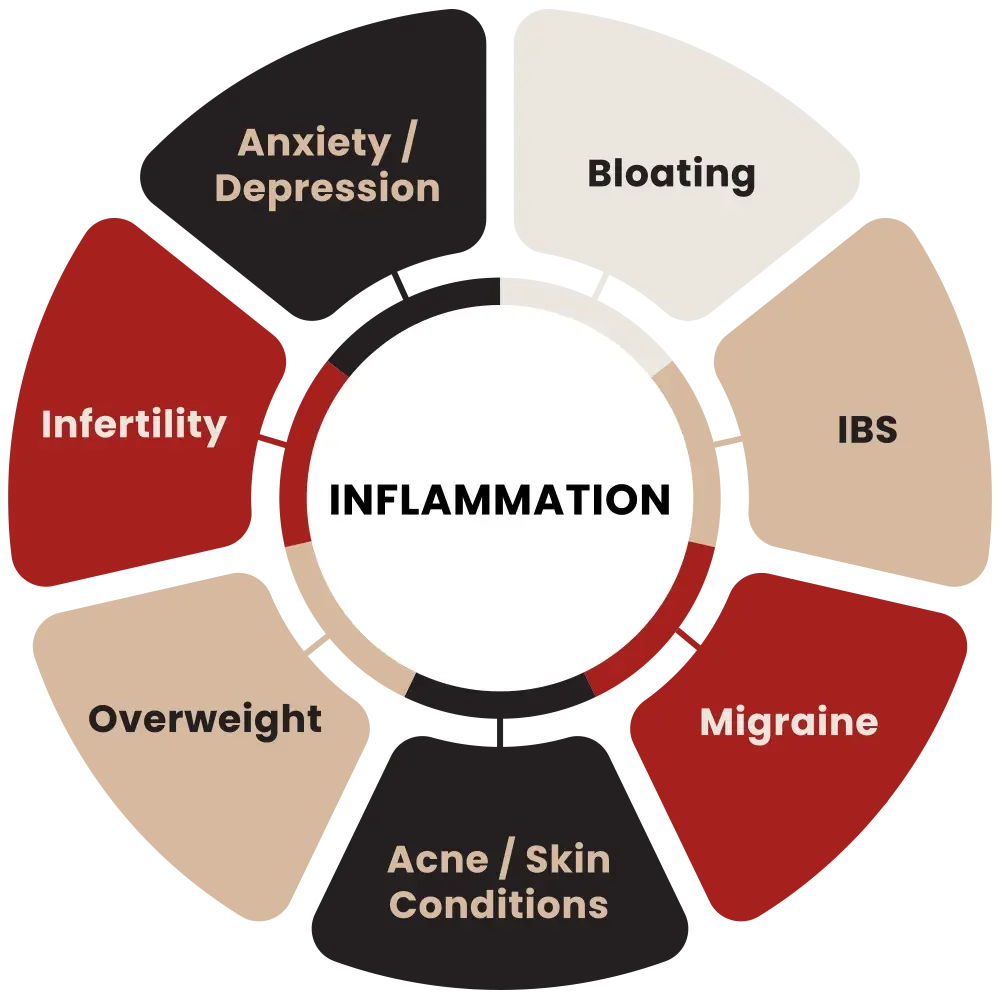
Most people are unaware of their immune system’s health. One of the strongest indicators of an imbalanced immune system is chronic low-grade inflammation.
Whether the immune system is:
Overactive, increasing the risk of autoimmune conditions, or
Underactive, reducing its ability to detect abnormal or cancerous cells.
Chronic inflammation is often a common underlying factor.
While it might seem contradictory that a weak immune system is also associated with chronic low-grade inflammation, the two conditions are closely linked through specific biological mechanisms.
How To Measure Chronic Low-grade Inflammation
See this link to our website for test details about the test and costs and how to access this test - Test Details
The Primary Driver of Chronic Low-grade Inflammation
For many individuals, poorly digested food is the root cause of chronic low-grade inflammation. Such foods quickly turn sour and rancid and toxic within the gut and trigger a continuous IgG antibody response from the gut immune system. Such foods are constantly, 24/7 activating the immune system and driving this chronic, low-grade inflammation throughout the body.
By identifying these problem foods through IgG Food Sensitivity Testing, you can create a targeted anti-inflammatory diet that supports long-term immune health.
Learn more about our IgG Food Sensitivity Test here
200 Food Sensitivity Test
Commonly referred to as Food Test 200. This test checks your IgG antibody levels to 200 of the most common foods typically associated with food intolerance. This information can be used to guide your food elimination diet.
*Please note: The “Low Grade Inflammation Test” comes FREE of charge with the 200 test.

References:
Research has shown that eliminating foods associated with the highest IgG antibody levels can significantly reduce inflammation for many people, helping to improve immune balance.
Beneficial Effects of Anti-Inflammatory Diet in Modulating Gut Microbiota and Controlling Obesity. . 2022 Sep 26;14(19):3985. doi: 10.3390/nu14193985
The 2013 Nature study (doi:10.1038/nature12726) by Arpaia et al. demonstrated that the breakdown of certain foods by the gut bacteria, promote the generation of anti-inflammatory regulatory T cells.
Gut microbiota influence tumor development and Alter interactions with the human immune system. doi: 10.1186/s13046-021-01845-6, points to a highly cited peer-reviewed medical review paper which describes how the gut microbiota (which is influenced by your diet) influences tumour development and alters interactions with the human immune system.
A 2018 Immunity study (DOI: 10.1016/j.immuni.2018.04.022). Dietary fibre protects against chronic inflammatory diseases by dampening immune responses.
Short, but Smart: SCFAs Train T Cells in the Gut to Fight Autoimmunity in the Brain. Published in Immunity (2015). doi:101016/j.immini.2015.09.014. In this issue of Immunity, Haghikia and colleagues (2015) demonstrate that dietary fatty acids, by modulating gut microbes and their metabolism, regulate mucosal immune cells to impact systemic immunity.
These studies are but a few from the vast collection available, and they demonstrate that diet is one of the most powerful tools available for supporting a healthy, balanced immune system.