Chronic Inflammation and Cancer: Understanding the Connection
Inflammation is one of your immune system’s most important ways to protect you. When your body detects an infection, toxin, or injury, it releases specialist cells and chemical agents to fight off invaders. All the associated symptoms, pain swelling, redness, and fever, are a sign of this healing process at work.
In most cases, this inflammation resolves quickly. However, if the immune system stays permanently switched on, the inflammation process shifts from a healing mechanism to a destructive force - one that can increase the risk of certain cancers.

Why Knowing Your Levels Matters
If you have a family history of cancer, checking your inflammation levels is a simple, proactive step you can take to protect your health.
Healthy levels are reassuring: normal inflammation levels are linked to a lower risk of several cancers - and better recovery outcomes if cancer is ever diagnosed.
Elevated inflammation: can signal a higher future risk, giving you and your doctor time to take preventive action.
The Link Between Chronic Inflammation and Cancer
Inflammation is recognised as one of the Hallmarks of Cancer, highlighting its potential contribution to cancer development.
When inflammation becomes persistent, it can create changes within the body:
It can - contribute to changes in cellular DNA.
It can - create conditions that support abnormal cell growth.
It can - encourage tumour growth and spread.
Although chronic inflammation as a single entity may not necessarily lead to cancer, understanding and managing this recognised risk factor is an important part of maintaining good health.

Chronic Low-grade Inflammation: The Hidden Cancer Risk
One of the most concerning characteristics of chronic low-grade inflammation is that it often develops without obvious symptoms. Many people learn to live with ongoing - sometimes mild - discomfort, totally unaware that the underlying inflammation is affecting their health.
While cancer typically develops through an accumulation of genetic and cellular changes, chronic inflammation may contribute to an environment that supports tumour development and progression.

How to Measure Low-grade Inflammation Levels
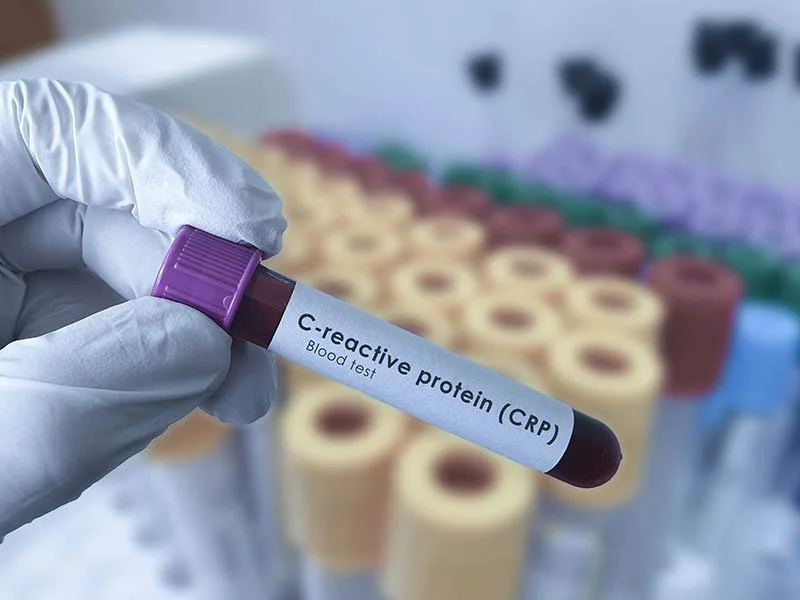
Because chronic low-grade inflammation often develops without noticeable symptoms, blood tests that measure low-grade inflammatory markers can provide useful information about this chronic inflammatory activity within the body.
At Fitzwilliam Food Test, we offer a Low-Grade Inflammation Test designed to help you better understand your inflammation levels. You can purchase online from the Shop page of the website or book a clinic appointment.

The Link Between Food Intolerance and Chronic Inflammation
In many cases, the immune system produces this persistent inflammation because of continuous aggravation.
Almost 70% to 80% of your immune system is in your gut. Poorly digested foods – often due to food intolerance - undergo bacterial fermentation in the colon, which produces gas, bloating, and irritation, driving this inflammation.
Order a test kit delivered to your home from our online shop.